
A well-designed landscape transforms your property from ordinary to exceptional while increasing its value by an average of 10-12%, according to the American Society of Landscape Architects. Webber Landscaping delivers professional landscaping services tailored to the unique growing conditions of North Carolina's Piedmont region. Whether you need to landscape Winston-Salem properties, service Greensboro or High Point neighborhoods, or maintain grounds anywhere in the Triad, we bring the expertise to make your project thrive.
Winston-Salem sits in USDA Hardiness Zone 7b, with hot summers, mild winters, and heavy red clay soil that demands specific plant selections and soil management techniques. Our team understands these local conditions because we work in them every day.
From foundation plantings that frame your home to complete backyard transformations, every project starts with a free on-site consultation where we assess your soil, sun exposure, drainage patterns, and design preferences before recommending a single plant.
Landscape Design & Planting
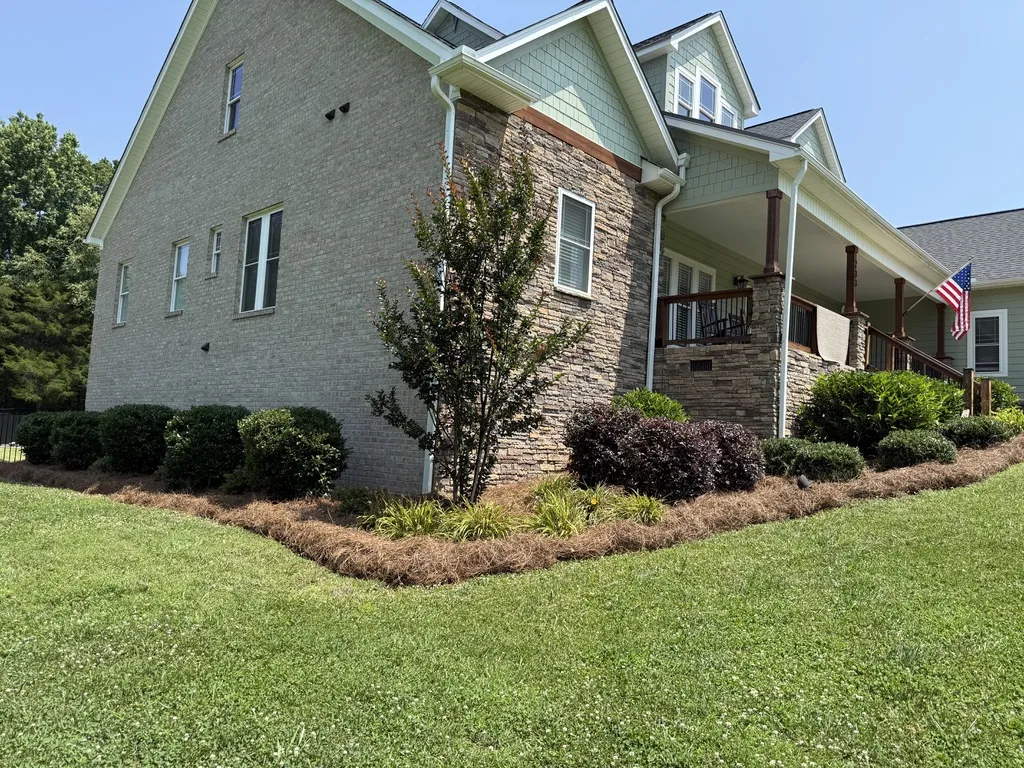
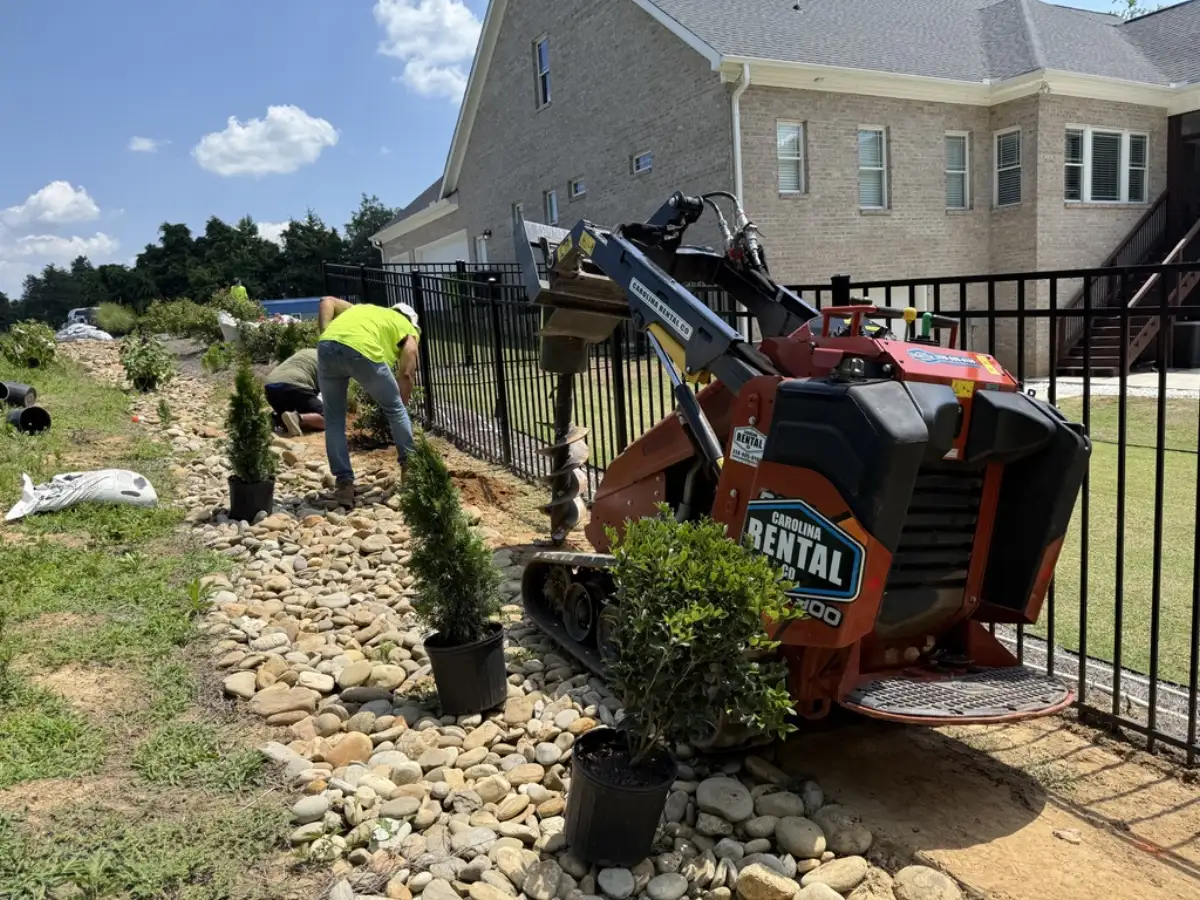
Great landscaping starts with the right plant in the right place. We select species proven to thrive in the Piedmont's Zone 7b climate and challenging clay soil, creating landscapes that look better with each passing year rather than struggling to survive.
Foundation plantings anchor your home with evergreen structure. Specimen trees like Crepe Myrtles, Japanese Maples, and native Dogwoods create focal points and seasonal interest. Layered shrub borders add depth and privacy without blocking sightlines.
We source plants from regional nurseries that grow stock in Piedmont conditions, so transplant shock is minimal and establishment rates are high. Every planting includes proper root ball preparation, backfill amendments for clay soil, and a thorough watering schedule for the first 90 days.
Mulching & Bed Maintenance
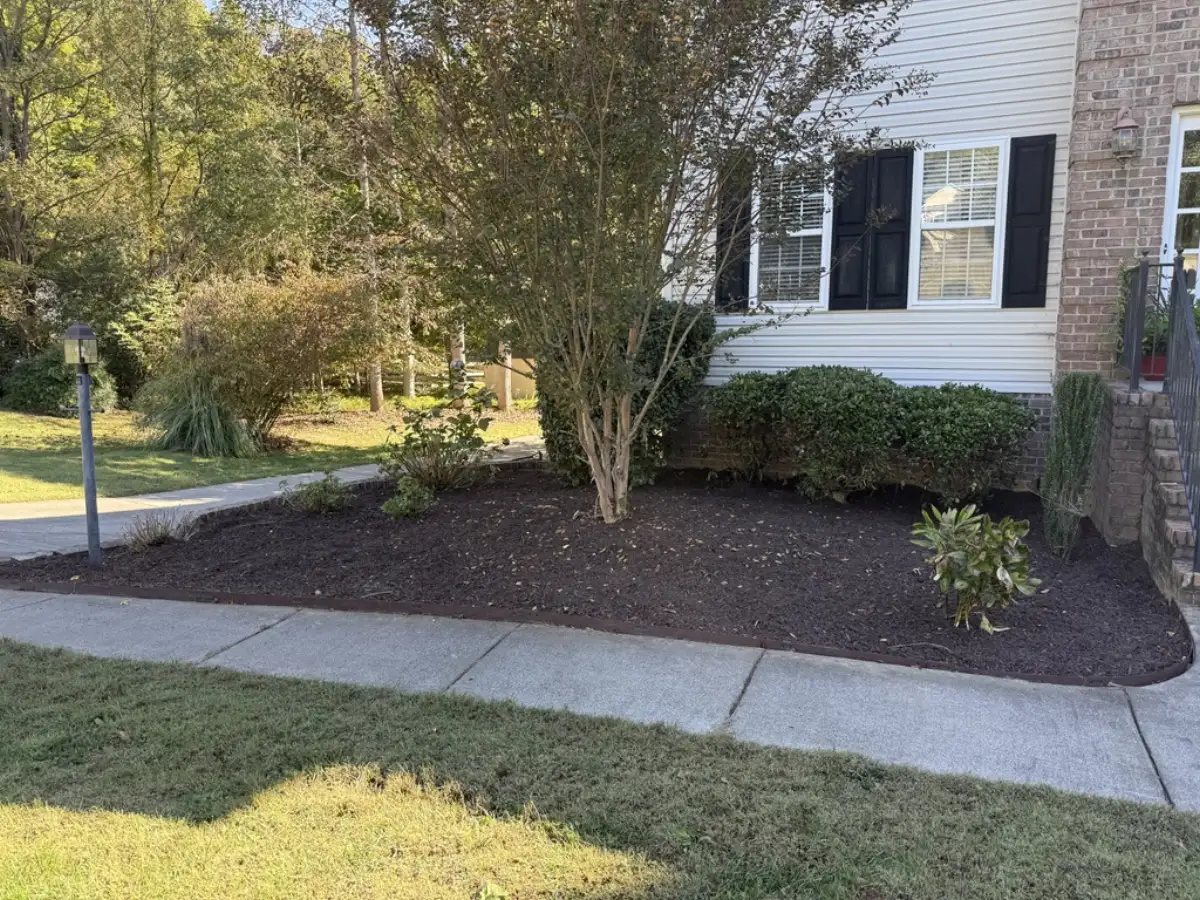
Mulch does more than look good. It retains soil moisture (reducing watering needs by up to 70%), regulates soil temperature, suppresses weeds, and feeds the soil as it decomposes. The NC Cooperative Extension recommends maintaining 2-3 inches of mulch depth for optimal performance in Piedmont landscapes.
Mulch Types We Install
Double-shredded hardwood is our standard recommendation for most beds. It knits together to resist washout on slopes, decomposes at a moderate rate to feed the soil, and provides a clean, professional appearance.
Pine bark mulch works well around acid-loving plants like azaleas, blueberries, and gardenias. It is lightweight and particularly suited to the native species common in Piedmont woodland gardens.
Pine straw is ideal for large areas under tree canopies, on steep slopes where bark mulch can wash away, and for properties aiming for a natural Carolina aesthetic.
Bed Maintenance Services
Beyond mulching, healthy landscape beds require regular attention. Our bed maintenance program includes weed removal, edge definition along beds and walkways, pruning of shrubs and ornamental trees, deadheading perennials, and monitoring plant health for disease or pest issues.
We recommend a spring mulch refresh in March or April as the growing season begins, followed by spot-touch-ups in the fall after leaf removal. This twice-annual schedule keeps beds looking polished while protecting plant roots through summer heat and winter cold. For a deeper dive into timing, mulch types, and application tips, read our spring mulching guide for the Piedmont Triad.
Get Your Free Estimate
Ready to get started? Contact us today for a free, no-obligation estimate.
Seasonal Cleanup Services
North Carolina's four distinct seasons each bring specific maintenance demands. Our seasonal cleanup services prepare your landscape for what comes next, preventing problems before they start.
Spring Cleanup (March - April)
Winter debris removal, bed edging and reshaping, pre-emergent weed treatment, pruning of winter-damaged branches, dividing overgrown perennials, and fresh mulch application. Spring cleanup sets the tone for the entire growing season.
Fall Cleanup (November - December)
Leaf removal from beds, lawn, and gutters. Final pruning of deciduous shrubs. Cutting back perennials. Applying a layer of mulch to insulate root zones through winter. The Piedmont Triad's abundant hardwood trees produce significant leaf fall, and timely removal prevents turf suffocation and disease.
Lawn Care & Fertilization
Healthy turf starts below the surface. The Piedmont Triad's predominant red clay soil is dense, alkaline, and compacted, creating conditions that stress most turfgrass species unless properly managed.
Soil Testing & Amendment
We begin every lawn care program with a soil test through the NC Department of Agriculture (free for NC residents). Test results reveal exact pH levels, nutrient deficiencies, and organic matter content, allowing us to build a custom fertilization plan rather than applying generic products.
Most Piedmont soils test between pH 5.5 and 6.5. Tall fescue lawns perform best at pH 6.0-6.5, so we adjust with lime applications when needed. Soil testing removes the guesswork and saves money by applying only what your lawn actually needs.
Fertilization Schedule
For cool-season fescue lawns (the most common turf in Winston-Salem), we apply fertilizer in September, November, and February to March. This schedule aligns with the grass's natural active growth periods and builds root density heading into summer stress.
For warm-season bermuda and zoysia lawns, fertilization runs April through August during active growth. We use slow-release granular products that feed for 6-8 weeks per application, reducing runoff and providing steady nutrition.
Our Landscaping Process
Every project follows a structured process that ensures clear communication, accurate pricing, and results that match your expectations.
1. Free Consultation
We visit your property to assess soil conditions, sun and shade patterns, drainage, existing plantings, and your vision for the space. No sales pressure, just honest professional advice.
2. Custom Proposal
Within 3-5 business days, you receive a detailed written proposal with plant species, quantities, placement descriptions, timeline, and a firm price with no hidden fees.
3. Site Preparation
Before any planting begins, we prepare the site: removing old material, amending soil with compost and appropriate additives, establishing proper grading for drainage, and defining bed edges.
4. Installation
Plants are installed according to the approved plan, with proper spacing, planting depth, and root treatment. Mulch is applied at the recommended 2-3 inch depth.
5. Walkthrough
We walk the completed project with you to confirm every detail meets your expectations. Any adjustments are handled on the spot before we consider the job complete.
6. Aftercare Plan
You receive a written care guide with watering schedules, fertilization timing, and pruning notes specific to the plants we installed. We are available for questions anytime.
Landscaping FAQ
Related Services
Lawn Mowing
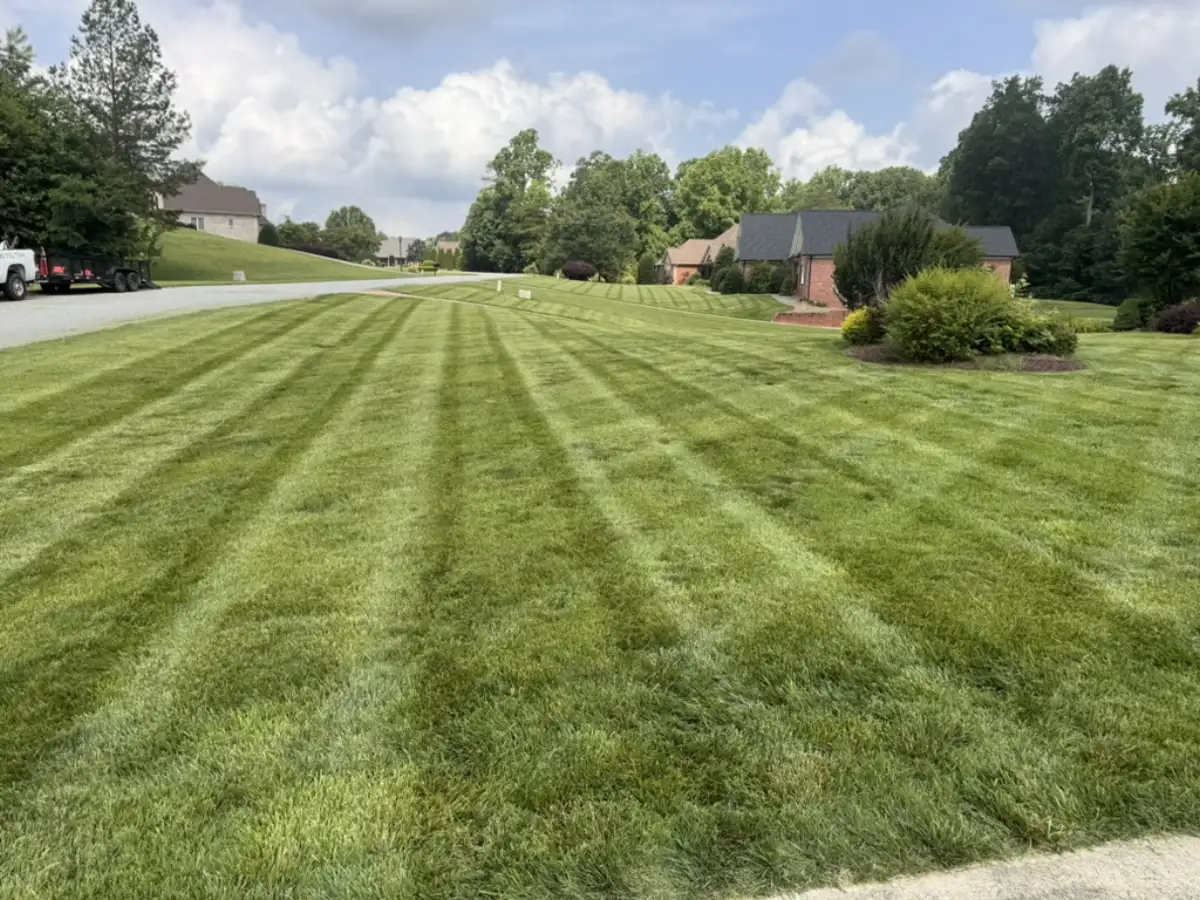
Weekly mowing service to keep your lawn looking pristine between landscaping visits.
Learn More →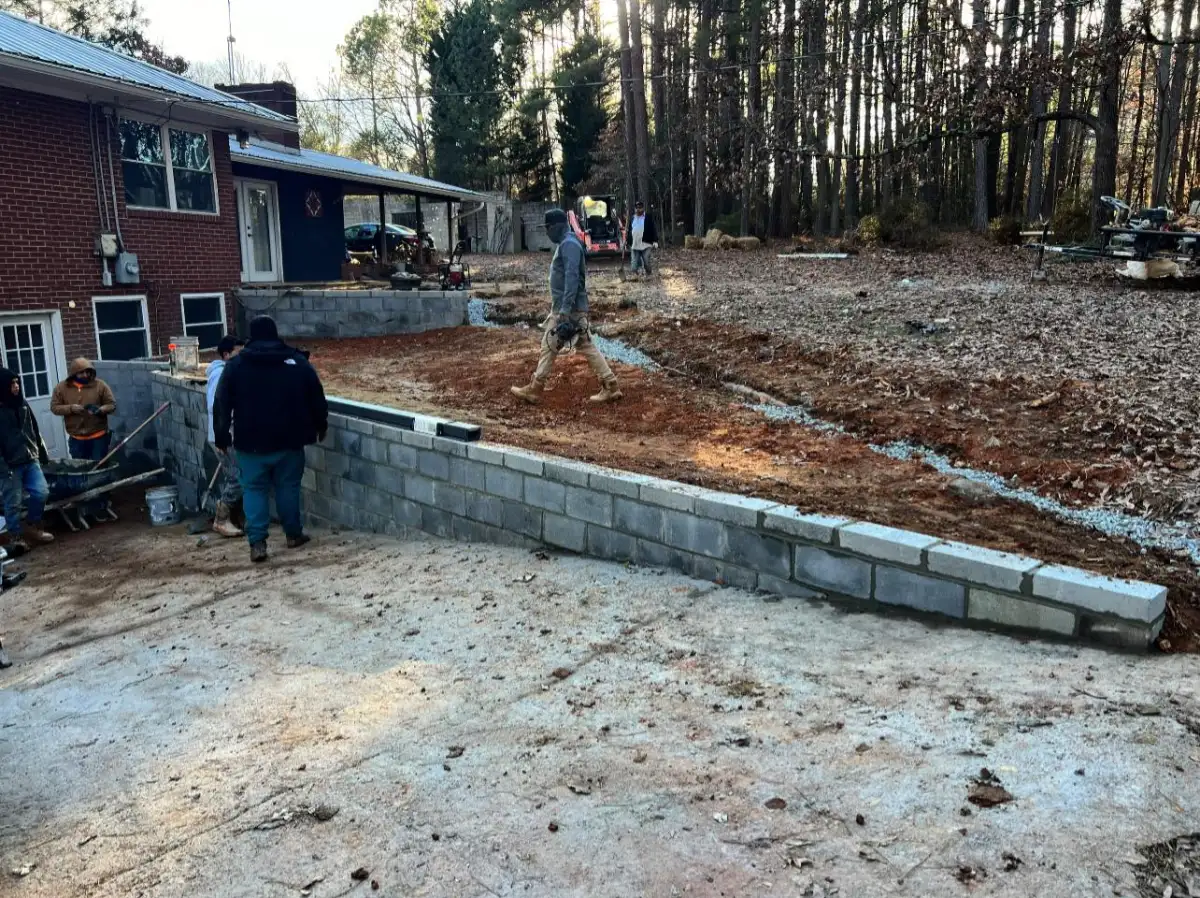
Hardscaping
Complement your landscape with custom patios, walkways, and retaining walls.
Learn More →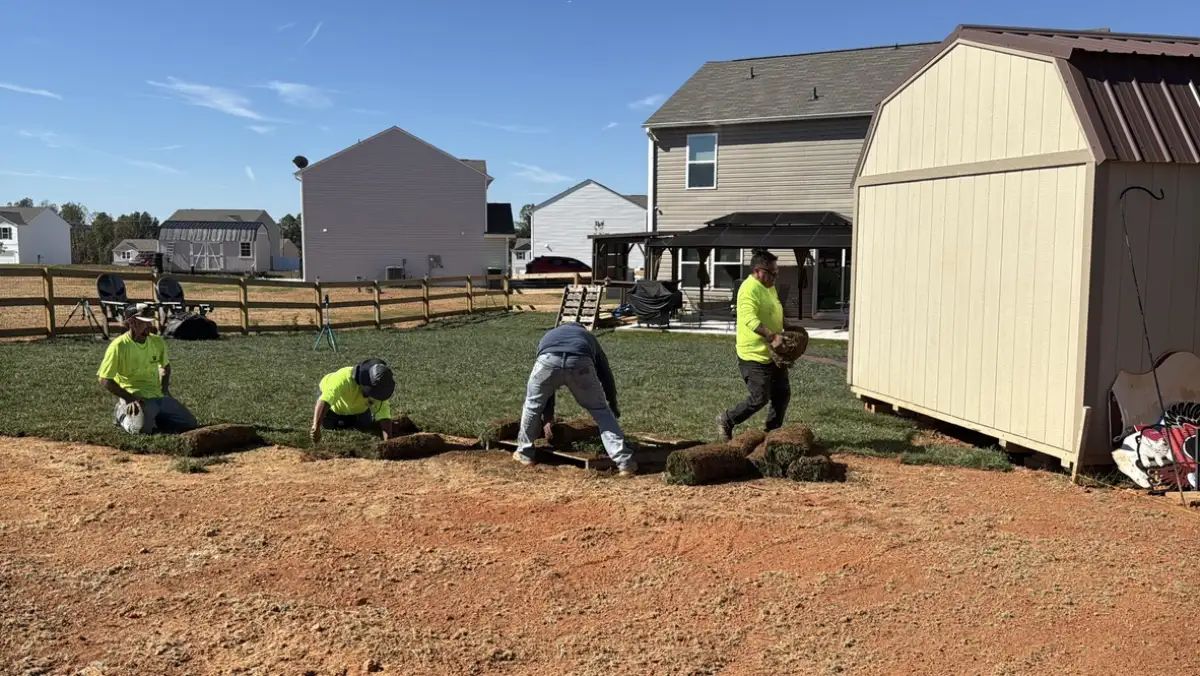
Sod Installation
Instant lawn transformation with professional sod installation and soil preparation.
Learn More →