
Hardscaping adds permanent structure, function, and value to your outdoor space. A professionally installed paver patio recovers 50-75% of its cost at resale according to the National Association of Landscape Professionals, making it one of the highest-return outdoor investments for homeowners.
Webber Landscaping builds hardscape features designed specifically for the Piedmont Triad's conditions: freeze-thaw cycles that test poorly built joints, heavy clay soil that requires engineered base preparation, and 45+ inches of annual rainfall that demands proper drainage integration. We landscape Winston-Salem properties and serve homeowners and businesses across Greensboro, High Point, Thomasville, and the wider Triad.
Every hardscape project is built on a compacted aggregate base with proper pitch for water management. We do not cut corners on base preparation because we know that what you cannot see underground determines how your hardscape looks and performs for decades.
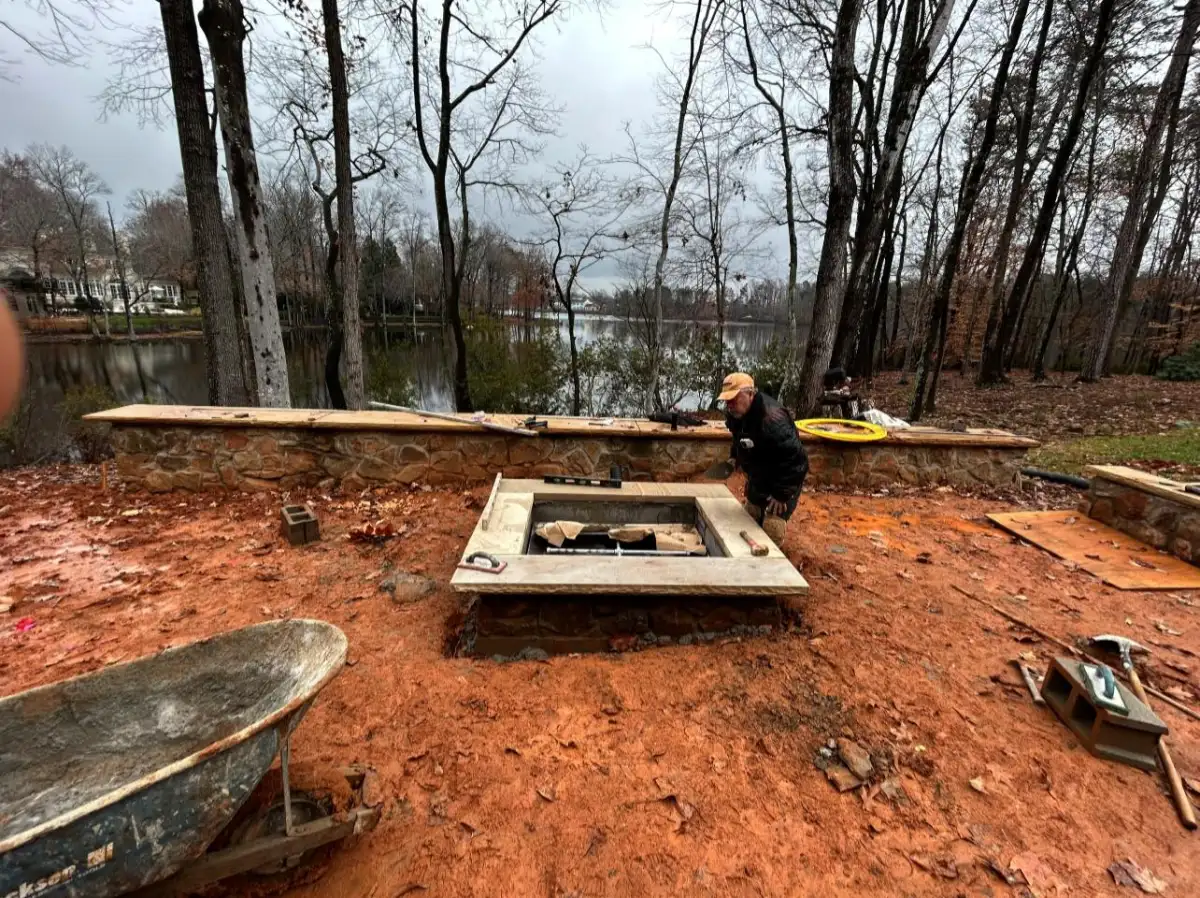
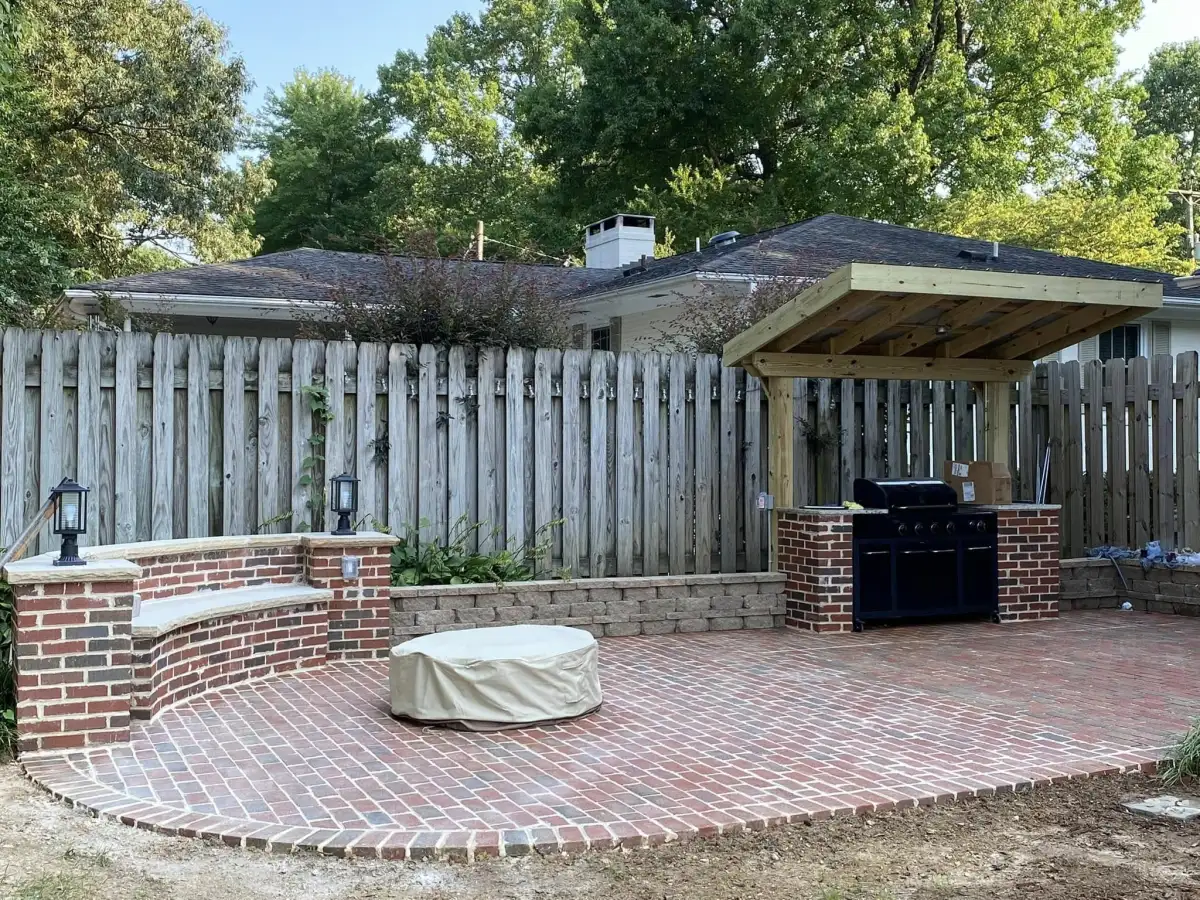
Paver Patios & Outdoor Living
A well-designed patio becomes the centerpiece of your outdoor living space. Whether you envision a cozy dining area, a full outdoor kitchen footprint, or an expansive entertainment space, we design and build patios that match your lifestyle and property.
Interlocking concrete pavers are our primary recommendation for Piedmont Triad patios. They handle North Carolina's freeze-thaw cycles without cracking (unlike poured concrete), offer thousands of color and pattern combinations, and individual pavers can be replaced if ever damaged.
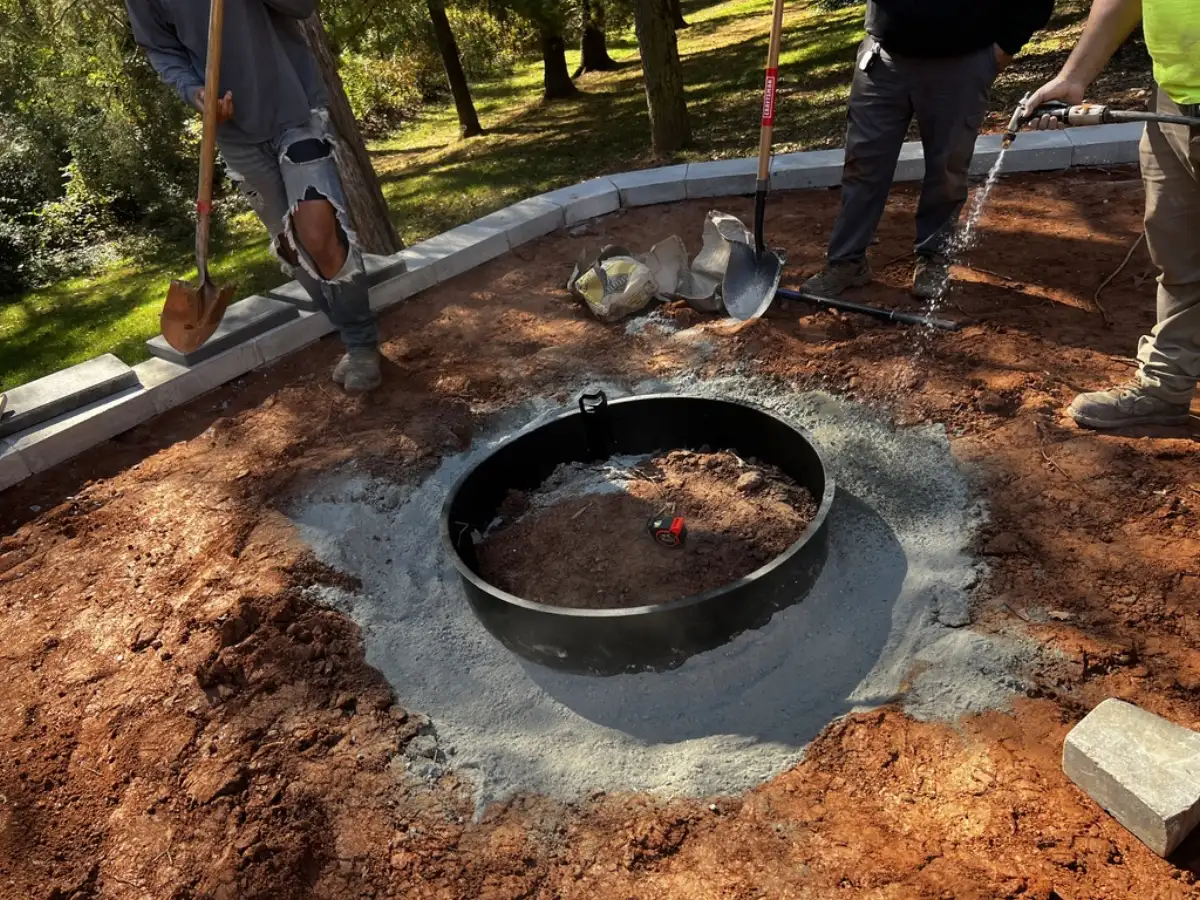
Standard paver patios range from 200 to 600 square feet for residential projects. Larger outdoor living areas with built-in seating walls, fire pit pads, and kitchen prep areas extend beyond that. We handle projects of all sizes, from simple back door landing pads to full backyard transformations.
Walkways & Pathways
Walkways guide foot traffic, protect your lawn from wear patterns, and add architectural definition to your property. A well-placed walkway from driveway to front door increases curb appeal immediately and eliminates muddy shortcuts across the yard.
Front Entry Walkways
First impressions start at the curb. A paver or natural stone walkway leading from the driveway or sidewalk to your front entrance creates a welcoming approach and adds significant curb appeal. We recommend a minimum 4-foot width for front walkways, with wider flares at the entrance for a proportional, inviting look.
Popular materials include tumbled concrete pavers for a classic look, flagstone for natural elegance, and brick pavers for traditional Piedmont homes.
Garden & Side Yard Paths
Functional pathways through garden areas, between buildings, and along side yards keep feet dry and lawns intact. Stepping stone paths work well for casual garden areas, while full paver paths are better for frequently used routes like the path from the house to a detached garage or shed.
For properties with slopes, we incorporate gentle steps and risers into walkway designs to manage grade changes safely while maintaining a natural, integrated appearance.
Retaining Walls
Retaining walls serve both structural and aesthetic purposes. They hold back soil on slopes, create level areas on hilly properties, prevent erosion, and add dramatic visual depth to landscapes.
The Piedmont Triad's rolling terrain means many properties face grade challenges. A retaining wall can transform an unusable hillside into tiered planting beds, a level patio area, or usable yard space. Walls under 4 feet in height are standard residential projects. Walls over 4 feet require engineered design and may need permits in Forsyth County.
Structural vs. Decorative Walls
Structural walls hold back significant earth loads and require geogrid reinforcement, compacted gravel backfill, and proper drainage behind the wall. These are engineered to handle the lateral pressure of saturated Piedmont clay soil.
Decorative walls (typically under 2 feet) add visual interest, define garden spaces, and provide casual seating. They require less engineering but still need proper base preparation to prevent settling.
Get Your Free Estimate
Ready to get started? Contact us today for a free, no-obligation estimate.
Hardscaping Materials
Material selection affects durability, appearance, maintenance, and cost. We work with all major hardscape materials and recommend options based on your project goals, architectural style, and budget.
| Material | Best For | Durability | Maintenance |
|---|---|---|---|
| Interlocking Concrete Pavers | Patios, walkways, driveways | 25-50+ years | Low (occasional polymeric sand refresh) |
| Natural Flagstone | Patios, garden paths, accent areas | Lifetime | Low (reset occasional shifted pieces) |
| Segmental Retaining Wall Block | Retaining walls, raised beds, seating walls | 50+ years | Very low |
| Natural Stone (stacked) | Decorative walls, garden borders | Lifetime | Low |
| Brick Pavers | Traditional walkways, edging, accents | 25-50 years | Low (moss prevention in shaded areas) |
| Stamped/Poured Concrete | Large patios, driveways | 15-25 years | Medium (sealing, crack repair) |
From Design to Completion
Every hardscape project follows a proven process that ensures structural integrity and visual precision.
1. Site Assessment
We evaluate soil conditions, drainage patterns, existing grade, underground utilities, and access points. In the Piedmont, we always check for clay saturation depth because wet clay exerts tremendous lateral pressure on retaining walls.
2. Design & Layout
We mark the project on-site with stakes and paint so you can visualize the exact footprint, shape, and scale before any digging begins. Adjustments are easy at this stage and impossible after excavation.
3. Excavation & Base
Proper excavation depth (typically 8-12 inches below finished grade) followed by layers of compacted aggregate base. This is the most critical phase. A 6-inch compacted base prevents settling and shifting for decades.
4. Installation
Materials are laid on a screeded bedding layer of coarse sand over the compacted base. Pavers are cut with precision for clean edges and tight joints. Walls are built with staggered courses and proper drainage provisions.
5. Finishing
Polymeric sand fills paver joints to lock pieces together and prevent weed growth. Edge restraints secure the perimeter. Final compaction seats everything flush. Walls receive capstones and any final grading.
6. Final Walkthrough
We walk the completed project together, checking every detail. Surrounding areas are restored, and we provide care and maintenance guidelines specific to the materials used in your project.
How Much Does Hardscape Installation Cost in Winston-Salem?
Hardscape installation costs vary based on project scope, materials selected, site conditions, and design complexity. Here is what Winston-Salem homeowners and businesses can expect for the most common hardscaping projects in the Piedmont Triad.
| Project Type | Typical Size | Cost Range | Key Cost Factors |
|---|---|---|---|
| Paver Patio | 200-400 sq ft | $4,000 - $12,000 | Material grade, pattern complexity, site access |
| Front Entry Walkway | 40-80 sq ft | $1,500 - $5,000 | Material choice, existing grade, demolition needs |
| Retaining Wall (under 4 ft) | 20-60 linear ft | $3,000 - $10,000 | Wall height, drainage requirements, soil conditions |
| Fire Pit with Seating Wall | 12-16 ft diameter | $3,500 - $8,000 | Gas vs wood-burning, seating wall length, material |
| Outdoor Kitchen Pad | 100-200 sq ft | $6,000 - $15,000 | Utility connections, counter material, appliance prep |
These ranges reflect installed prices including excavation, base preparation, materials, labor, and finishing. The Piedmont Triad's clay soil conditions often require additional base depth compared to regions with sandy soil, which adds approximately 10-15% to base preparation costs but produces significantly more stable installations long-term. Contact us for a detailed estimate specific to your property and project vision.
Finding the Right Hardscape Installer Near You
Searching for hardscape installation near you brings up dozens of results, but not all hardscape contractors deliver the same quality. The difference between a hardscape that lasts five years and one that lasts twenty-five years comes down to base preparation, material quality, and installation technique. Here is what to look for when choosing a hardscaping company in the Winston-Salem area.
Questions to Ask Any Hardscape Contractor
- What is your base preparation process? (Look for 6-8 inches minimum of compacted aggregate)
- Do you follow ICPI standards for paver installation?
- How do you handle drainage under and around the hardscape?
- Can you provide references from projects completed 3+ years ago?
- Do you carry general liability insurance and workers' compensation?
- Will you pull permits for retaining walls over 4 feet?
Why Webber Landscaping
We meet every standard on that checklist and exceed most of them. Our hardscaping installations follow ICPI best practices with minimum 6-inch compacted aggregate bases, proper polymeric sand application, and engineered drainage integration on every project.
As a local Winston-Salem company, we build in the same community where we live. Our reputation depends on every project performing for decades, not just looking good on installation day. We carry full general liability insurance and workers' compensation, and we provide COI documentation for commercial and HOA projects on request. Our project gallery includes work from across the Piedmont Triad, and we welcome you to inspect any of our completed installations in person.
Professional Hardscape Installation Across the Piedmont Triad
When you search for hardscape installation near you in the Winston-Salem area, you want a contractor who understands the specific challenges of building on Piedmont soil. Webber Landscaping has completed hardscape installations throughout Winston-Salem, Greensboro, High Point, Kernersville, Clemmons, and the broader Triad region.
Why Local Experience Matters for Hardscape Installation
Hardscape installation in the Piedmont Triad demands knowledge that out-of-area contractors simply do not have. Our heavy Cecil clay soil expands when wet and contracts when dry, creating lateral pressure that can shift poorly installed retaining walls and buckle patio surfaces. A hardscape installer who has only worked with sandy or loamy soil will underestimate the base depth and drainage requirements that our clay demands.
We specify a minimum 6-inch compacted aggregate base on every patio and walkway installation, and we increase that to 8-10 inches in areas with heavy clay saturation or vehicular traffic. This exceeds the ICPI minimum recommendation and accounts for the Piedmont's unique soil behavior throughout seasonal moisture cycles.
Hardscape Installation for Every Budget
Whether you are planning a small front walkway or a complete outdoor living transformation with a patio, fire pit, seating walls, and outdoor kitchen pad, we tailor the hardscape installation to your property goals and budget. Smaller projects like a 40-square-foot front entry walkway or a simple firepit pad can be completed in one to two days. Larger installations involving multiple features, retaining walls, and integrated drainage may take one to two weeks.
Every hardscape installation includes a detailed written proposal with material specifications, timeline, and total project cost before any work begins. No surprises, no change orders that inflate the price mid-project. We stand behind our installations with a commitment to workmanship that reflects our reputation as a trusted hardscape installer in the Winston-Salem community. View completed projects in our project gallery or call (336) 770-2385 to schedule a free on-site consultation.
Hardscaping FAQ
Related Services
Landscaping
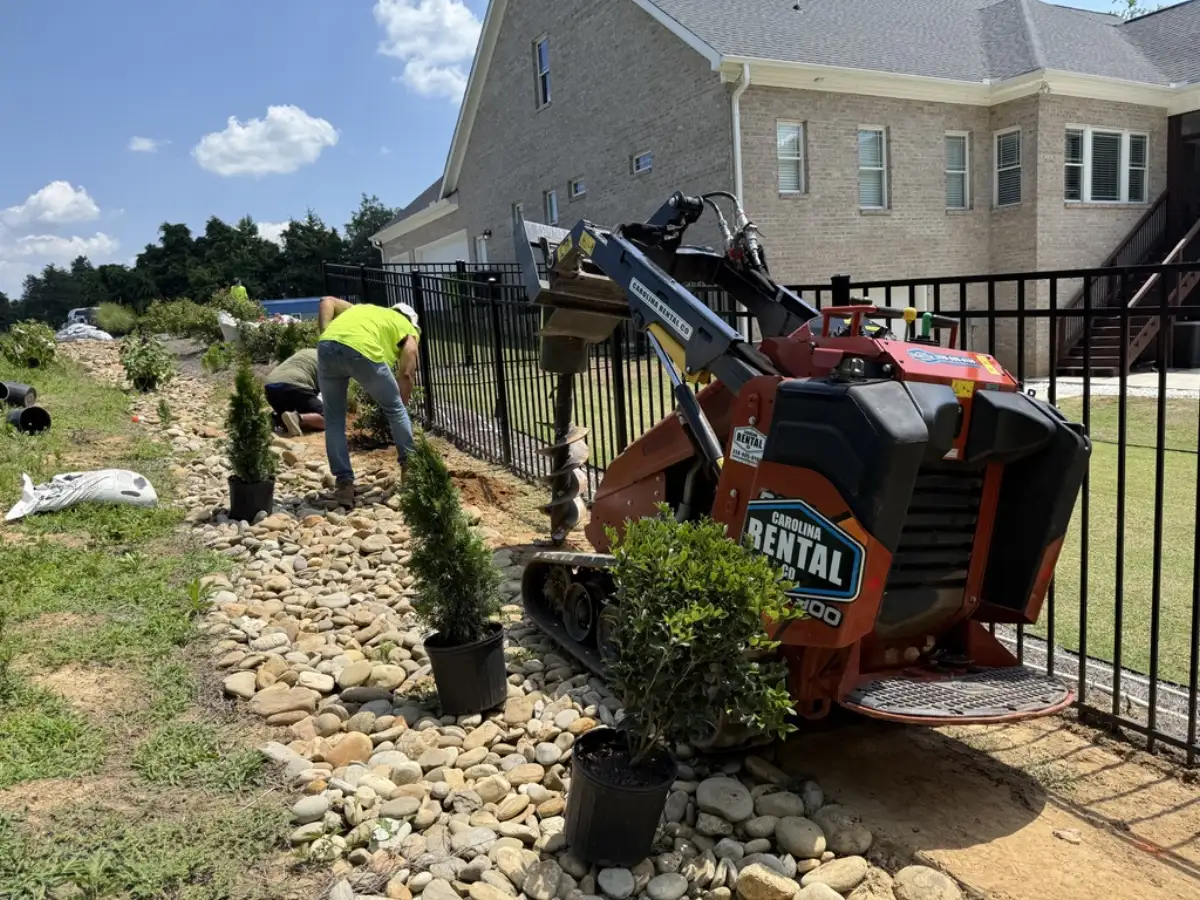
Complement your hardscaping with professional planting, mulching, and bed design.
Learn More →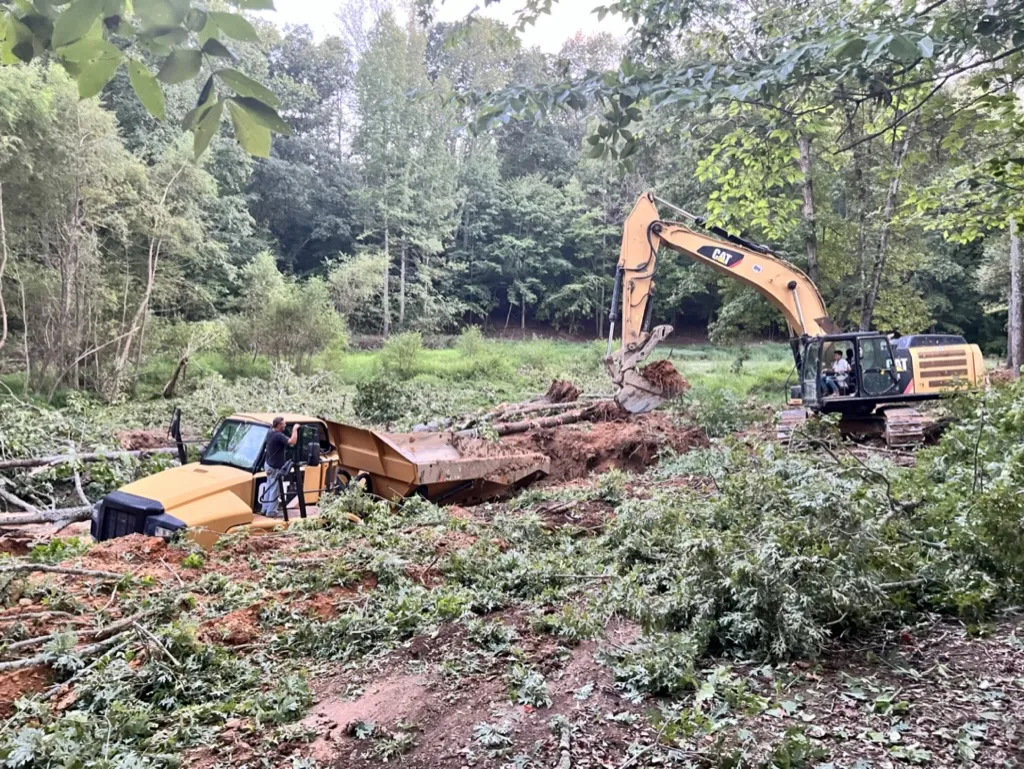
Land Grading
Site preparation, drainage solutions, and grading to create the perfect base for hardscaping.
Learn More →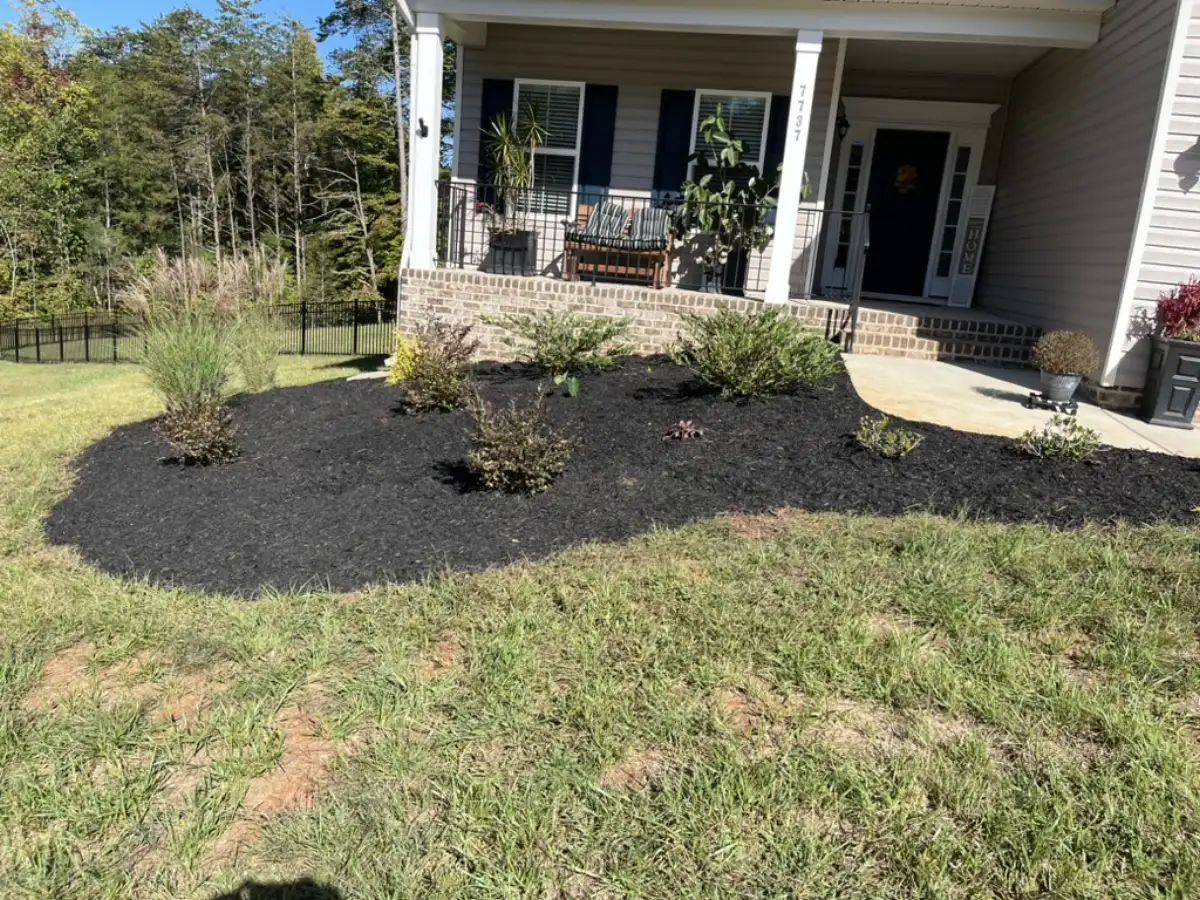
Commercial Landscaping
Commercial-grade hardscaping for businesses, including walkways, patios, and retaining walls.
Learn More →